

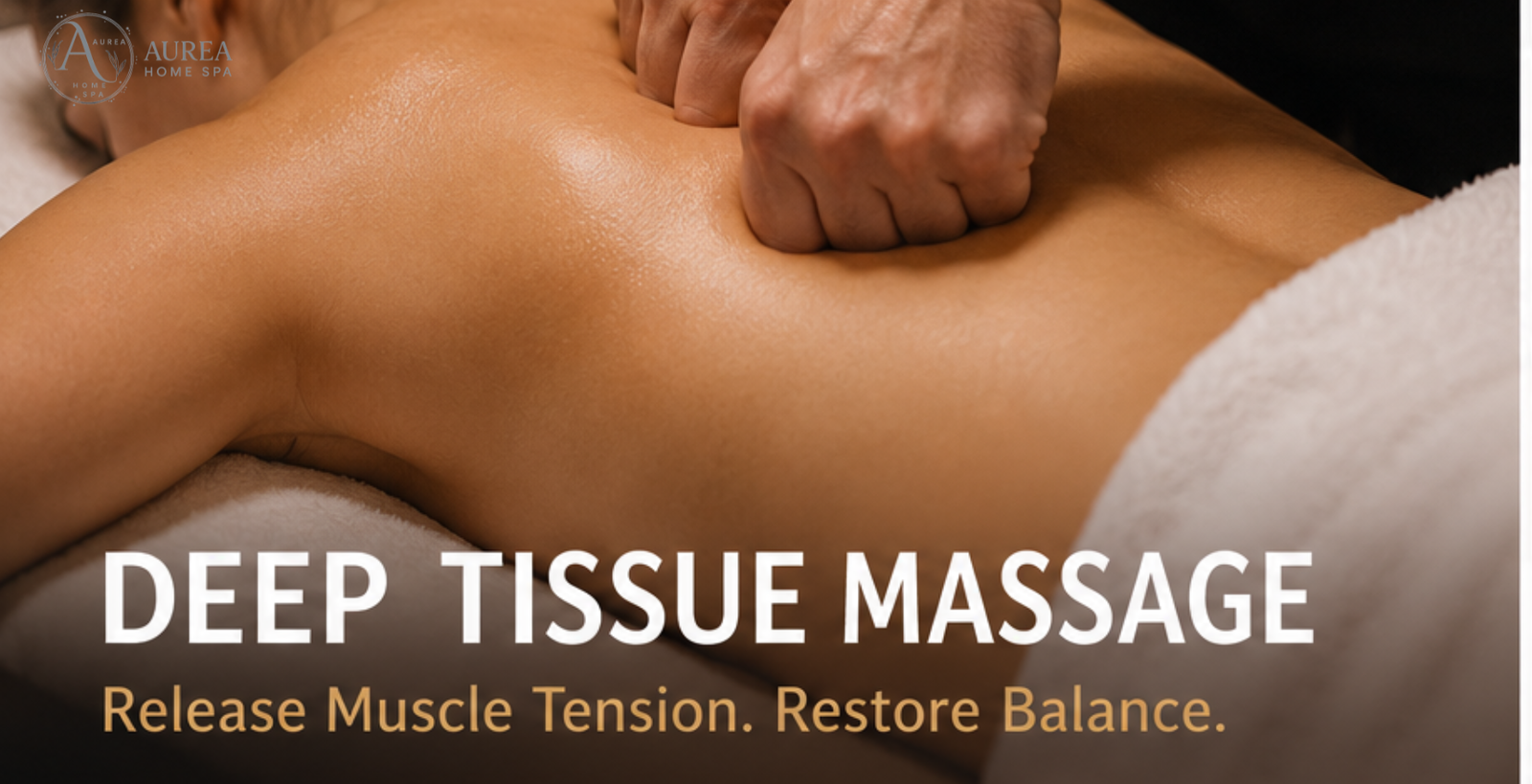
Muscle tension can develop for many reasons, including exercise, long working hours, poor posture and everyday stress. When tight muscles become uncomfortable, massage therapy can be a useful addition to a relaxation and wellness routine. One option that is often considered for persistent muscle tightness is deep tissue massage.
But who can actually benefit from it, and when might it be a suitable choice?
What Is Deep Tissue Massage?
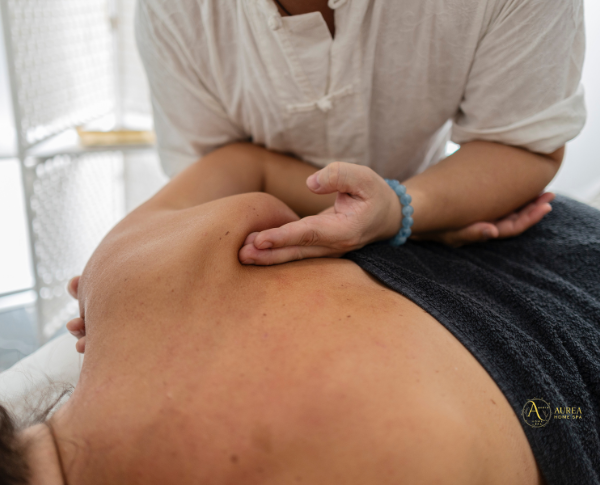
Deep tissue massage is a massage technique that uses slower movements and more focused pressure to work on areas of muscle tension. Unlike a gentle relaxation massage, it is generally more targeted and may focus on deeper layers of muscle and connective tissue.
The pressure can be adjusted depending on the individual’s comfort, preferences and the area being worked on. A good session should not simply be about using as much pressure as possible. Communication with the therapist is important throughout the massage.
Who Can Benefit From Deep Tissue Massage?
1. People Who Exercise Regularly
Gym workouts, running, cycling and other physical activities can place repeated stress on muscles. People who train frequently may experience tightness in areas such as the shoulders, back, thighs and calves.
Deep tissue massage can be incorporated into a broader recovery and wellness routine to help address areas that feel particularly tense after physical activity.
2. People With Desk-Based Jobs
Spending several hours sitting at a desk can contribute to feelings of stiffness and muscle tension, particularly around the neck, shoulders and upper back.
A focused massage may help promote relaxation in these areas and provide a welcome break from long periods of sitting and working.
3. People Experiencing General Muscle Tightness
Some people experience muscle tightness as part of their everyday routine, even when they are not particularly active. Stress, repetitive movements and physical workloads can all contribute to feeling tense.
Deep tissue massage may be suitable for people who prefer a more focused massage experience rather than a lighter, purely relaxation-based session.
4. People With Physically Demanding Lifestyles
Jobs that involve standing, lifting, walking or repetitive physical movements can place considerable demands on the body.
For these individuals, massage can be part of a regular self-care routine. A therapist can focus on areas that feel particularly tired or tight while adjusting pressure according to comfort.
What Can You Expect During a Deep Tissue Massage?
During a deep tissue session, the therapist typically uses controlled, deliberate movements and pressure on targeted areas.
You may experience some pressure or sensitivity, particularly around tight muscles, but communication is important. If the pressure becomes uncomfortable or painful, let your therapist know so the technique can be adjusted.
After the session, some people feel relaxed, while others may experience temporary tenderness. Staying hydrated and allowing yourself some time to relax can make the post-massage experience more comfortable.
Is Deep Tissue Massage Right for Everyone?
Deep tissue massage is not necessarily the best choice for every person or every situation. If you have an injury, unexplained pain, a medical condition or concerns about whether massage is appropriate for you, speak with a qualified healthcare professional before booking a session.
It is also important to choose a trained and experienced massage therapist who can adapt the session to your individual needs.
Deep Tissue Massage at Home in Dubai
For people who prefer privacy and convenience, an at home deep tissue massage in Dubai can be a comfortable option. You can enjoy your session in a familiar environment without having to travel to a spa afterward.
Whether you exercise regularly, work long hours at a desk or simply experience everyday muscle tension, deep tissue massage can be considered as part of a broader approach to relaxation and personal wellness.
Final Thoughts
Deep tissue massage can be particularly appealing to people who prefer targeted pressure for areas of muscle tension. From gym-goers and office workers to people with physically demanding routines, different individuals may choose this type of massage for different reasons.
The key is to choose the right pressure, communicate with your therapist and treat massage as part of your overall wellness routine rather than a replacement for proper rest, exercise, recovery or medical care.